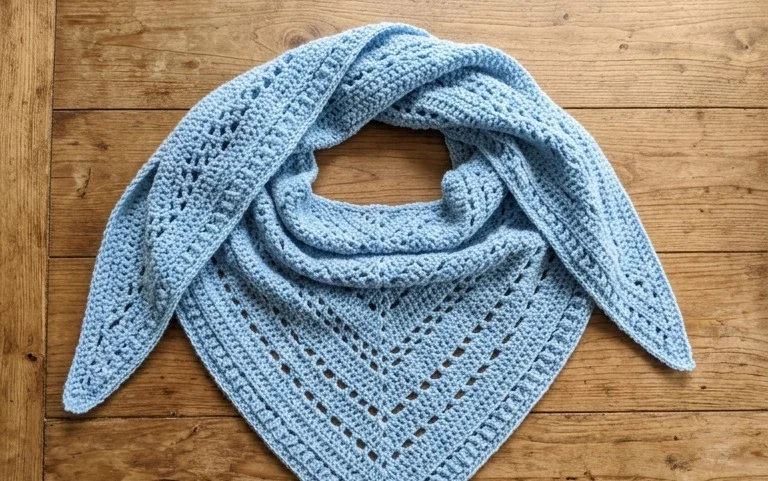
A light, airy crochet shawl is just the thing when the spring breeze picks up. These Spring Air Shawls free crochet patterns are designed to give you that feeling of lightness. They work up with beautiful drape, making them perfect for draping over your shoulders on a cooler spring evening or adding a touch of handmade elegance to any outfit. You don’t need to be an expert crocheter to make one; they’re great for practicing stitches like double crochet and chain stitches in new ways. We’ll walk you through choosing the right yarn and hook, and then you can pick your favorite pattern from the selection. Get ready to create something lovely that feels like spring itself.
Spring Air Shawls: Light, Lacy, and Lovely
The delicate drape and airy feel of a lacy crochet shawl in spring are unmatched. These “Spring Air Shawls” free crochet patterns are designed to capture that feeling, creating beautiful accessories that are perfect for those cooler spring evenings or as a stylish addition to any outfit. They’re not overly complicated, making them a wonderful project for those looking to expand their crochet skills.
Choosing Your Yarn and Hook
The yarn you select will significantly impact the look and feel of your Spring Air Shawl. For that signature lightness and drape, I recommend focusing on yarns with a good halo and a fine-to-medium weight.
- Fiber: Natural fibers like cotton, linen, bamboo, or silk blends are excellent choices. They breathe well and have a beautiful drape. Acrylic or blends with acrylic can also work, especially if they have a soft texture and don’t feel too stiff. Avoid very stiff, rigid yarns as they won’t achieve the airy effect.
- Weight: Look for yarns labeled as fingering, sport weight, or DK (double knitting). These are thinner yarns that create a lighter fabric. A thicker yarn will result in a heavier, warmer shawl, which might be lovely for a different season, but less so for a “Spring Air” design.
- Yardage: Shawls can be quite yarn-intensive. Depending on the pattern and your chosen yarn weight, you might need anywhere from 500 to 1000 yards (approximately 450 to 900 meters). It’s always better to have a little extra yarn than to run out.
- Hook Size: The hook size will depend on your yarn choice and your personal tension. Generally, for fingering or sport weight yarn, a hook size between 3.5mm (US E/4) and 4.5mm (US 7) is a good starting point. For DK weight, you might go up to a 5mm (US H/8). The goal is to create a fabric with small holes, not tight stitches.
Understanding the Stitch Techniques
These shawls often rely on a few key stitches to create their signature lacy appearance. Familiarizing yourself with these will make the pattern a breeze.
- Chain (ch): The foundation of most crochet projects, used to create spaces and build height.
- Single Crochet (sc): A basic, short stitch that can be used for borders or denser fabric.
- Double Crochet (dc): A taller stitch that creates more drape and allows for quicker progress.
- Treble Crochet (tr) or Triple Crochet: Even taller than double crochet, these stitches create larger openings and a very airy fabric.
- Stitch Combinations: Many patterns will use combinations of these stitches, often separated by chains, to create decorative patterns and eyelets. For example, a common motif might be “dc, ch 1, dc” in a stitch, which creates a small fan or V-shape.
- Lace Stitches: You’ll likely encounter specific lace stitch patterns, which are often repeats of a few rows designed to create a mesh-like or openwork fabric. These might involve skipping stitches and working into chain spaces.
Tips for Beginners Tackling a Lacy Shawl
Even if you’re new to crochet, a lacy shawl can be an achievable and rewarding project. Here are some pointers to help you along the way:
- Practice Swatches: Before you start your actual shawl, crochet a small swatch using your chosen yarn and hook. This helps you get a feel for the yarn, check your tension, and practice the main stitch pattern. It’s also a great way to see how the fabric will drape.
- Read the Pattern Carefully: Go through the entire pattern once before you begin. Understand the abbreviations and the sequence of stitches. If there are any unfamiliar terms, look them up online with video tutorials.
- Use Stitch Markers: Place stitch markers at the beginning and end of rows, or at any point where the pattern indicates a special placement. This is especially helpful in lacy patterns where it’s easy to lose count of stitches or get confused by the open spaces.
- Count Your Stitches: This is crucial for lace patterns. If you’re off by even one stitch, your entire pattern can get skewed. Count regularly, especially after rows with increases or decreases.
- Don’t Be Afraid to Frog (Unravel): If you make a mistake and can’t easily fix it, don’t hesitate to unravel your work back to the point where you made the error. It’s better to take a little extra time than to have a finished project you’re not happy with.
- Blocking is Your Friend: Once your shawl is finished, blocking is essential for lacy designs. It evens out your stitches, opens up the lace pattern, and helps the shawl achieve its intended shape and drape. You can block by pinning it to shape on a flat surface and gently wetting it, or by using steam.
Customizing Your Spring Air Shawl
The beauty of crochet is its adaptability. These patterns are a fantastic starting point for personalization.
- Color Choices: The most straightforward way to customize is with color. You can stick to a single, soft spring color like pale yellow, mint green, or sky blue. Alternatively, experiment with color changes. You could do a gradient effect by starting with a lighter shade and gradually working to a darker one, or use contrasting colors for stripes or motifs. If the pattern has a definite starting point and a border, you could use one color for the main body and a contrasting color for the border.
- Size Adjustments: Most shawl patterns can be made larger or smaller by repeating or omitting pattern sections. If the pattern includes a repeat of several rows, simply work more repeats to make it bigger, or fewer to make it smaller. Always check the pattern notes to see if there are specific instructions for size adjustments. Keep in mind that making it larger will require more yarn.
- Edging Variations: The free patterns may come with a specific edging. You can often switch this out for a different one. A simple picot edge, a shell stitch border, or even a few rounds of single or double crochet can change the overall look.
Caring for Your Finished Shawl
To keep your beautiful Spring Air Shawl looking its best for years to come, follow these care instructions:
- Washing: Handwashing is generally the safest method for delicate crocheted items, especially those made with natural fibers. Use cool or lukewarm water and a mild detergent specifically designed for wool or delicate fabrics. Gently swish the shawl in the water; avoid wringing or vigorous scrubbing, as this can stretch and damage the stitches.
- Rinsing: Rinse thoroughly with cool water until all soap is removed.
- Drying: Never put a crochet shawl in a dryer. Instead, gently squeeze out excess water (again, no wringing). Lay the shawl flat on a clean towel, away from direct sunlight or heat. You can roll the shawl up in the towel to absorb more moisture, then lay it flat on a fresh, dry towel or a blocking mat to air dry completely. Reshape it as needed while it’s drying.
- Storage: When not in use, store your shawl folded neatly in a drawer or on a shelf. Avoid hanging it, as the weight can cause it to stretch out of shape over time. Consider storing it in a breathable garment bag or with cedar blocks to protect it from moths.
Project Ideas Beyond the Shawl
While designed as shawls, the airy lace patterns used in these free crochet patterns can be adapted for other lovely projects.
- Cowl or Infinity Scarf: Work the pattern in the round until you reach your desired width, then seam the ends together. This creates a beautiful, lightweight cowl perfect for transitional weather.
- Table Runner or Doily: If the pattern has a repeating motif that can be expanded or contracted, it could be adapted into a decorative table runner or a doily for a side table. You might need to adjust the number of repeats to get the right dimensions.
- Decorative Bunting: Small motifs or sections of the shawl pattern can be crocheted and strung together to create charming bunting for spring decorating.
- Appliqués: Individual lace motifs can be used as embellishments for other crochet or sewing projects, or even as standalone decorative pieces.
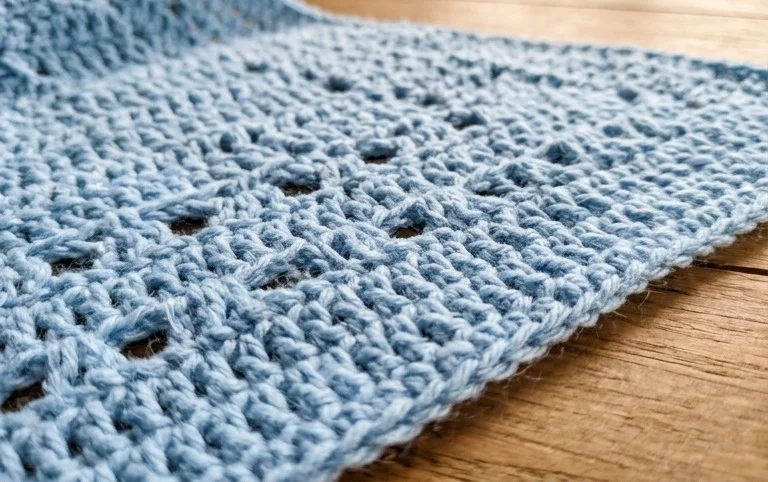
You’ve got all the details now to start your very own Spring Air Shawl. Remember, the yarn choice really makes a difference in how this piece drapes and feels, so pick something with a lovely texture. Don’t be afraid to try a different color or even add a simple border if you feel adventurous. If you finish your shawl, share a picture on social media and tag us – we love seeing what you create! Keep an eye out for more free crochet patterns here on the blog, especially ones that capture the feeling of the changing seasons.