This crochet baby blanket pattern starts with a wonderfully soft texture, almost like a fluffy cloud. It’s worked in simple rows, which means even if you’re just getting comfortable with your crochet hook, you can make this. The stitches build up quickly, and you’ll see your blanket grow with every row. It makes a thoughtful gift for a new baby or a lovely handmade addition to a nursery. You can use it as a tummy time mat or a cozy layer for naps. This tutorial will guide you through choosing the right yarn and hook, understanding the stitch pattern, and finishing your blanket neatly. You’ll learn how to create a durable, washable blanket that’s perfect for daily use. Following these steps, you’ll end up with a beautiful, handmade treasure.
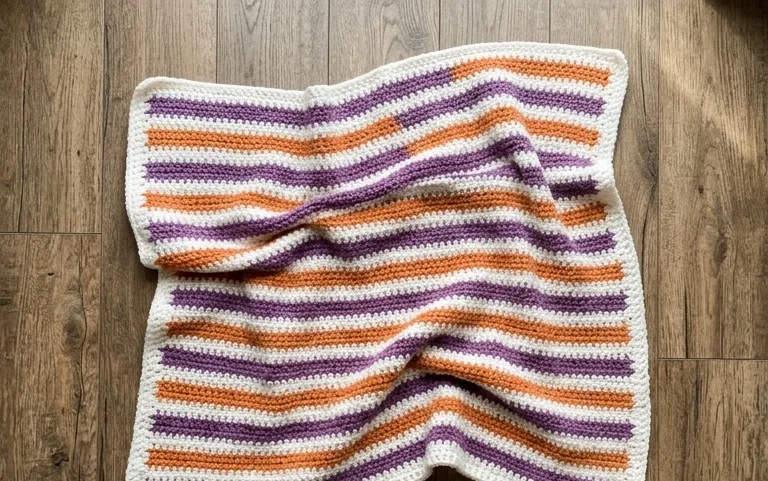
Crochet Baby Blanket Tutorial
This crochet baby blanket pattern is a wonderful project for anyone looking to create a soft, handmade gift. The blanket is worked in simple rows, making it perfect for beginners to practice their stitches and build confidence. The resulting texture is cozy and inviting, perfect for snuggling a little one.
Yarn and Hook Recommendations
Choosing the right yarn and hook is key to a successful crochet project, especially for something as tactile as a baby blanket. For this pattern, I recommend using a worsted-weight yarn. This weight is a good balance between being substantial enough to create a warm blanket and not being too heavy to work with. Acrylic yarns are a popular choice for baby items because they are durable, washable, and generally hypoallergenic. Look for yarns labeled as “baby yarn” or “super soft” as these are specifically designed to be gentle against sensitive skin. Cotton blends can also be lovely, offering breathability, but they might make the blanket a bit heavier.
For a worsted-weight yarn, a crochet hook in the size H-8 (5.0 mm) or I-9 (5.5 mm) is usually a good starting point. The exact hook size can depend on your personal tension. If your stitches come out very tight and the fabric feels stiff, try going up a hook size. If your stitches are loose and gappy, try a smaller hook. It’s always a good idea to crochet a small swatch (about 4×4 inches) with your chosen yarn and hook before you begin the main blanket. This swatch will help you see how the stitches look and feel, and whether you need to adjust your hook size.
Stitch Techniques Used
This baby blanket pattern relies on a few fundamental crochet stitches that are relatively easy to learn and create a beautiful, textured fabric.
- Chain (ch): This is the most basic crochet stitch and forms the foundation for most projects. It creates a series of interlocking loops.
- Single Crochet (sc): This stitch is worked by inserting your hook into a stitch or space, yarning over, pulling up a loop, yarning over again, and pulling through both loops on your hook. It creates a dense, sturdy fabric.
- Half Double Crochet (hdc): This stitch is a bit taller than a single crochet. You yarn over before inserting your hook into the stitch, pull up a loop, yarn over, and then pull through all three loops on your hook. It creates a slightly looser fabric with more drape.
- Double Crochet (dc): This is a taller stitch than the hdc. You yarn over, insert your hook, pull up a loop, yarn over, pull through two loops, yarn over, and pull through the remaining two loops. This stitch works up quickly and creates a more open fabric.
For this particular blanket, we’ll be using a combination of these stitches to create a pleasing texture. Typically, this pattern involves a foundation chain followed by rows of single crochet and double crochet, or perhaps a simple alternating pattern of sc and hdc for a subtly different feel. Always refer to the specific stitch counts and row instructions in the main pattern for accurate stitch placement.
Tips for Beginners
Starting a crochet project can feel a little daunting, but this baby blanket is designed to be approachable. Here are a few tips to help you along:
- Hold your yarn and hook comfortably. There’s no single “right” way to hold your tools. Experiment until you find what feels natural and allows you to maintain consistent tension. Some people hold the hook like a pencil, others like a knife.
- Keep your tension even. This is probably the most important tip for beginners. Uneven tension will result in a blanket that is rippled or distorted. Try to crochet at a steady pace and focus on making each stitch the same size. Your swatch practice will be invaluable here.
- Don’t be afraid to start over. If you realize you’ve made a mistake several rows back and it’s affecting the pattern, it’s often easier and faster in the long run to unravel (or “frog”) your work and start that section again.
- Learn to read your stitches. As you crochet, you’ll start to recognize the look of each stitch. This will help you identify where to insert your hook for the next row and catch errors more easily.
- Count your stitches at the end of each row. This is a simple but effective way to ensure your edges are straight and you haven’t accidentally added or dropped stitches. The number of stitches should remain consistent row after row, unless the pattern specifically calls for increases or decreases.
- Use stitch markers. Place a stitch marker in the first and last stitch of your row to easily identify the beginning and end. This is especially helpful when working with stitches that can look similar.
How to Customize
One of the joys of crochet is the ability to personalize your projects. This baby blanket is very adaptable.
Colors
- Solid Color: A single, beautiful color can be very elegant. Choose a soft pastel for a classic baby look, or a bolder, cheerful color.
- Stripes: You can easily create stripes by changing colors at the end of a row. Simply work the last stitch of the row until you have two loops left on your hook. Drop the old color, pick up the new color, and pull through both loops to complete the stitch. Weave in your ends carefully as you go or at the end of the project. You can do stripes of equal width, or alternate a wider stripe with a narrower one.
- Ombre: If you can find yarn that transitions through colors naturally (ombre yarn), or if you’re feeling adventurous and want to dye your own yarn, you can create a beautiful fading effect.
- Color Blocks: Work several rows in one color, then change to another for a few rows, creating distinct blocks of color.
Sizes
The beauty of this pattern is its scalability. The finished size of the blanket is determined by two factors: the length of your foundation chain and the number of rows you crochet.
- To make it wider: Increase the number of starting chains. Be sure to add enough chains to accommodate the stitch pattern. For example, if the pattern is multiples of 2 stitches, add an even number of chains.
- To make it longer: Simply continue crocheting more rows. Most baby blankets fall within a range of 30-40 inches in length, but you can make it as short or as long as you like. You might want to consider a crib size or a stroller size. Always measure your work periodically to keep track of its dimensions.
Care Instructions for the Finished Piece
Keeping your crocheted baby blanket clean and beautiful is straightforward. Because we’re recommending washable yarns like acrylic, care is generally simple.
- Washing: Machine wash on a gentle cycle with cold water. It’s a good idea to place the blanket inside a mesh laundry bag to protect it from snagging.
- Detergent: Use a mild detergent. Avoid fabric softeners, as they can sometimes coat the yarn fibers and reduce their absorbency or fluffiness over time.
- Drying: The best way to dry a crocheted blanket is to lay it flat on a clean towel or a drying rack, reshaping it gently as needed. Avoid hanging it, as the weight of the wet yarn can stretch the stitches out of shape. Tumble dry on a low or no-heat setting if absolutely necessary, but air drying is always preferred for longevity.
- Pilling: Acrylic yarns can sometimes pill over time with repeated washing and use. You can gently remove pills with a fabric shaver or by carefully trimming them with small scissors.
Project Ideas
While this pattern is perfect for a baby blanket, its versatility means it can be adapted for many other projects:
- Lapghan: Create a smaller, cozy throw for an armchair or sofa.
- Dishcloths or Washcloths: Make a set of matching dishcloths by simply crocheting fewer rows.
- Scarf: If you use a softer, finer yarn and a smaller hook, you can create a beautiful, textured scarf.
- Placemats: Work in a few rows to create durable and attractive placemats for your dining table.
- Pet Bedding: A larger, sturdier version can make a wonderfully comfortable bed for a furry friend.
- Pillow Cover: Crochet two squares and seam them together to create a decorative pillow cover.
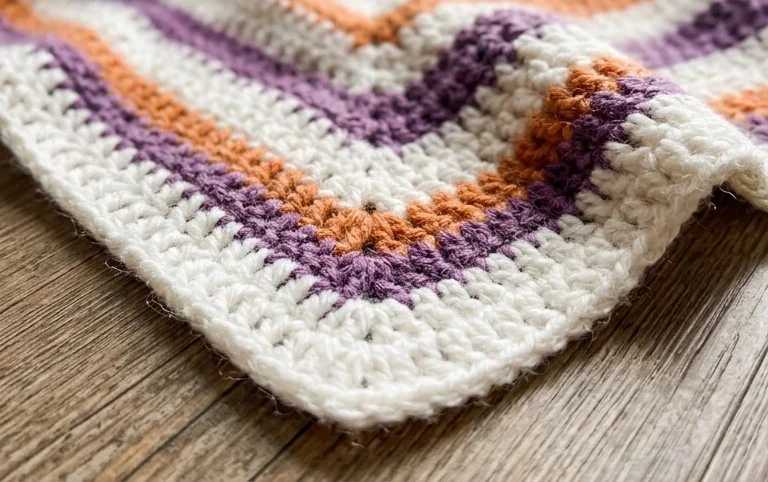
You’ve now got all the steps to create this comforting crochet baby blanket. It’s a project that feels good to make and even better to give or use. Don’t hesitate to experiment with different yarn colors—maybe stripes, or a gradient effect if you’re feeling adventurous. You could also try a different edging once you’re comfortable with the main blanket. Share a picture of your finished blanket on social media; makers love to see what others create! You can tag this pattern so others can find it. Keep an eye out for more simple, satisfying patterns here.